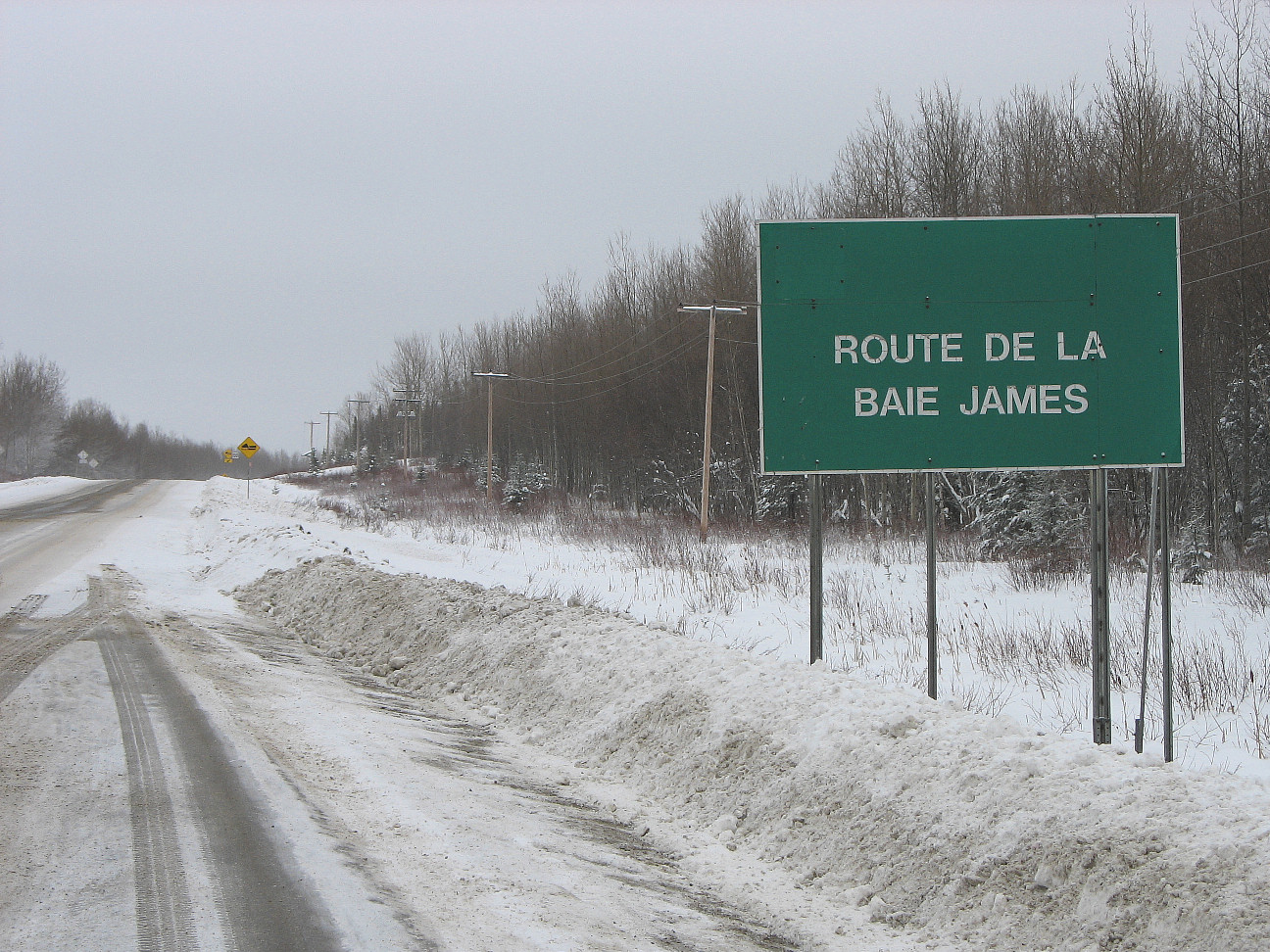
Remote northern Canada — the boreal and subarctic zones of Ontario, Quebec, Manitoba, and territories further north — presents environmental conditions that differ substantially from temperate travel. Temperatures in winter regularly fall below –30°C. Distances between services can exceed several hundred kilometres. Cell coverage is absent over large areas. The gear requirements that follow from these conditions are specific and worth addressing by category before departure.
This guide covers clothing systems, shelter, navigation, fire and heat, water, and emergency communication. It does not cover vehicle preparation (addressed in the James Bay Road guide) or community access logistics (addressed in the fly-in communities guide).
Clothing systems
The standard framework for cold-weather clothing is a three-layer system: a moisture-wicking base layer next to skin, an insulating mid-layer, and a wind- and water-resistant outer layer. In temperatures below –20°C with any wind, this system needs to be robust at all three layers.
Base layer
Merino wool and synthetic fabrics (polyester, polypropylene) are both appropriate for base layers. Cotton is not suitable — it retains moisture against the skin and loses insulating value when wet, which is a hypothermia risk in cold conditions. Merino wool maintains some insulating value when damp and manages odour over multiple days; synthetic fabrics dry faster and are typically less expensive. Either is acceptable depending on preference and budget.
Mid layer
Down insulation provides the highest warmth-to-weight ratio but performs poorly when wet. In northern travel where precipitation, condensation, and river crossing situations are possible, a synthetic insulation mid-layer (PrimaLoft, Thinsulate, or equivalent) maintains insulating performance when damp. Fleece is a lower-cost alternative that works well in dry cold but provides less insulation per unit of thickness than high-loft synthetic fills.
Outer layer
A hardshell outer layer — windproof and waterproof — is necessary for any time spent outdoors in active weather. Softshells are appropriate for calm, dry cold but do not provide adequate protection in wind or precipitation. Outer layer sizing should accommodate the base and mid-layers underneath without compressing insulation, which reduces its effectiveness.
Extremities
Frostbite risk in northern Canada at temperatures below –20°C with wind is real and can occur within minutes of exposed skin. Fingers, toes, ears, and the nose are most vulnerable. The following are standard minimum requirements for winter field conditions:
- Insulated waterproof mitts (not gloves — mitts retain more heat) with a separate thin liner glove for tasks requiring dexterity
- Insulated winter boots rated to at least –40°C for extended outdoor periods; pac boots (rubber lower, insulated upper) are a common choice
- Balaclava or face mask covering cheeks, nose, and chin
- Goggles or sunglasses for glare and wind protection
- Wool or fleece-lined hat worn under the hood
Shelter

For vehicle-based travel on remote roads, a sleeping bag rated for cold temperatures should be kept in the vehicle at all times during winter. In the event of a breakdown, the vehicle provides windbreak shelter but will cool to ambient temperature within a few hours without a heat source. A sleeping bag rated to –20°C or below provides a margin against overnight exposure while waiting for assistance.
For backcountry travel on foot or by snowmobile, a four-season tent rated to handle wind loading and snow accumulation is required. Ultralight three-season tents are not adequate in northern winter conditions where wind gusts and wet snow can collapse unsupported tent poles. A tarp-based shelter as a backup emergency option adds minimal weight and can be effective in treed boreal environments where natural windbreaks exist.
Navigation
Paper topographic maps and a compass remain the most reliable navigation tools in northern Canada, as they require no power source and function regardless of temperature. Maps for Ontario and Quebec are available through the National Topographic System (NTS) and can be ordered through Natural Resources Canada or downloaded in digital format from Natural Resources Canada's mapping portal.
GPS devices are a useful supplement and provide speed, accuracy, and track recording that paper maps cannot. However, GPS units require batteries, which drain faster in cold temperatures, and screens can be difficult to read in direct sunlight reflecting off snow. Keeping a GPS device in an inner pocket when not in use extends battery life. Most GPS units used in northern travel carry spare batteries as standard practice.
Cell-based map applications (Google Maps, Apple Maps, Waze) are unreliable in areas without cellular coverage and should not be the primary navigation tool on remote routes. Apps that allow offline map downloads (Gaia GPS, Avenza Maps) are a practical alternative when data has been downloaded in advance over a connection.
Fire and heat
The ability to start a fire is a foundational emergency skill in boreal environments. Dry wood, even in wet conditions, can be found under fallen logs, in dead branches attached to standing trees, and under bark. Fire-starting requires dry tinder (birch bark is reliable when dry, as is fatwood from conifer stumps) and a reliable ignition source.
Fire-starting kit (minimum)
- Waterproof matches in a sealed container
- Butane lighter (two — butane performs poorly below –10°C; keep one in an inner pocket)
- Ferrocerium (ferro) rod — works at any temperature, in wet conditions
- Tinder tabs or wax-coated cotton balls as fire-starting accelerant
- Small folding saw for processing wood
For camp stoves, liquid fuel stoves (white gas / naphtha) perform reliably at low temperatures. Canister stoves using isobutane-propane mixes perform poorly below –10°C and should not be relied upon as the sole cooking heat source in winter northern conditions. Alcohol stoves are not suitable for temperatures below –5°C.
Water
Surface water in northern boreal and subarctic zones is generally cleaner than in densely populated areas, but filtration or treatment is still advisable for use from any source. Giardia and other waterborne organisms are present in northern waters. A filter rated to remove protozoa and bacteria (such as those meeting NSF Protocol P231) is appropriate. Squeeze filters (LifeStraw, Sawyer Squeeze) are widely used and effective.
In winter, surface water access is limited by ice. Snow can be melted for water but requires significant fuel — approximately one litre of water per litre of packed snow, and far more for loose surface snow. Carrying pre-melted water in an insulated container, or using chemical treatment (iodine, chlorine dioxide tablets) to treat small amounts of hole-chipped ice water, is practical for day travel.
Emergency communication
For travel in areas without cell coverage, a satellite communicator is the standard option. Two categories exist:
- One-way PLBs (Personal Locator Beacons) — Registered to an owner, transmit a GPS distress signal to the Cospas-Sarsat search and rescue satellite system when activated. Require no subscription. Activation notifies the Joint Rescue Coordination Centre (JRCC) in Halifax or Victoria. Examples: ACR ResQLink, McMurdo FastFind.
- Two-way satellite messengers — Allow two-way text messaging, GPS tracking, and SOS activation through commercial satellite networks (Iridium, Globalstar). Require a subscription. Allow communication with specific contacts and with the operator's monitoring centre. Examples: Garmin inReach Mini 2, SPOT X.
PLBs are lower cost and have no ongoing fees, but do not allow non-emergency communication or two-way messaging. Two-way devices allow check-ins with contacts and non-emergency help requests. For remote northern travel lasting more than a day, a two-way device is generally considered the more functional option.
First aid
A wilderness-specific first aid kit differs from a standard kit in including items for wound closure (steri-strips, wound irrigation syringe), hypothermia management (emergency bivouac bag, space blanket), and blister care for extended foot travel. The expected wait time for emergency response in remote northern areas — hours to over a day depending on location and conditions — means that the kit should cover scenarios that would be quickly handed off in urban settings.
| Category | Minimum items |
|---|---|
| Clothing | Merino or synthetic base, synthetic insulation mid, hardshell outer, mitts, balaclava, winter boots to –40°C |
| Shelter | Sleeping bag to –20°C minimum; four-season tent for foot/snowmobile travel |
| Navigation | Paper topo map + compass; GPS device with spare batteries; offline maps on phone |
| Fire / heat | Waterproof matches, two lighters, ferro rod, tinder; liquid fuel stove for winter |
| Water | Filter rated to NSF P231; iodine or chlorine dioxide tablets as backup |
| Communication | Satellite communicator (PLB minimum; two-way preferred) |
| First aid | Wilderness kit with wound closure, hypothermia management, blister care |